Limitless criteria to get it, and yet Halkidiki is the first region in Greece (the second most awarded country) in the number of Blue Flags for its coasts. How do I, a visitor in these awarded beaches, experience these beaches? Do they actually fulfill the criteria that are so hard to get?
“Myrto, did you know that Afytos has a blue flag?” I told my sister with enthusiasm after reading that our home village is awarded with two blue flags for its beaches. Her response: “Blue flag? I didn’t even know the village had its own flag”.
You might think we don’t give a damn about our credit systems, certifications, or other forms of achievements. You’re not fully wrong - all those label systems are chaotic and confusing. Yet, important. As a biologist, blue flag is a widely accepted way to rank the quality of the coastline. And since my sister didn’t know, maybe more people don’t. Let’s change that!
The “Blue flag” is an ecological symbol running for the last 40 years. Over fifty countries around the world have agreed that the blue flag is a sign of ecological quality awarded to beaches, marinas, and tourist boats.
How hard can it be to get a Blue Flag?
Actually, it's very hard!
Blue flag is given only if the 33 criteria are met. The criteria regard the cleanliness, organisation, information, security of visitors/bathers, protection of natural elements of the beach and the coastal ecosystem, as well as the efforts for environmental awareness. See below for the detailed list of criteria in four categories.
If the criteria is met, and the beach is awarded with a “Blue Flag”, it lasts for one year. The procedure is not over however. The National Handling Office is doing unexpected visits and tests during the summer to ensure the quality is up to the standards. If faulty, the flag is suspended for 3-15 days until the issue is resolved.
“Blue flags” in Halkidiki
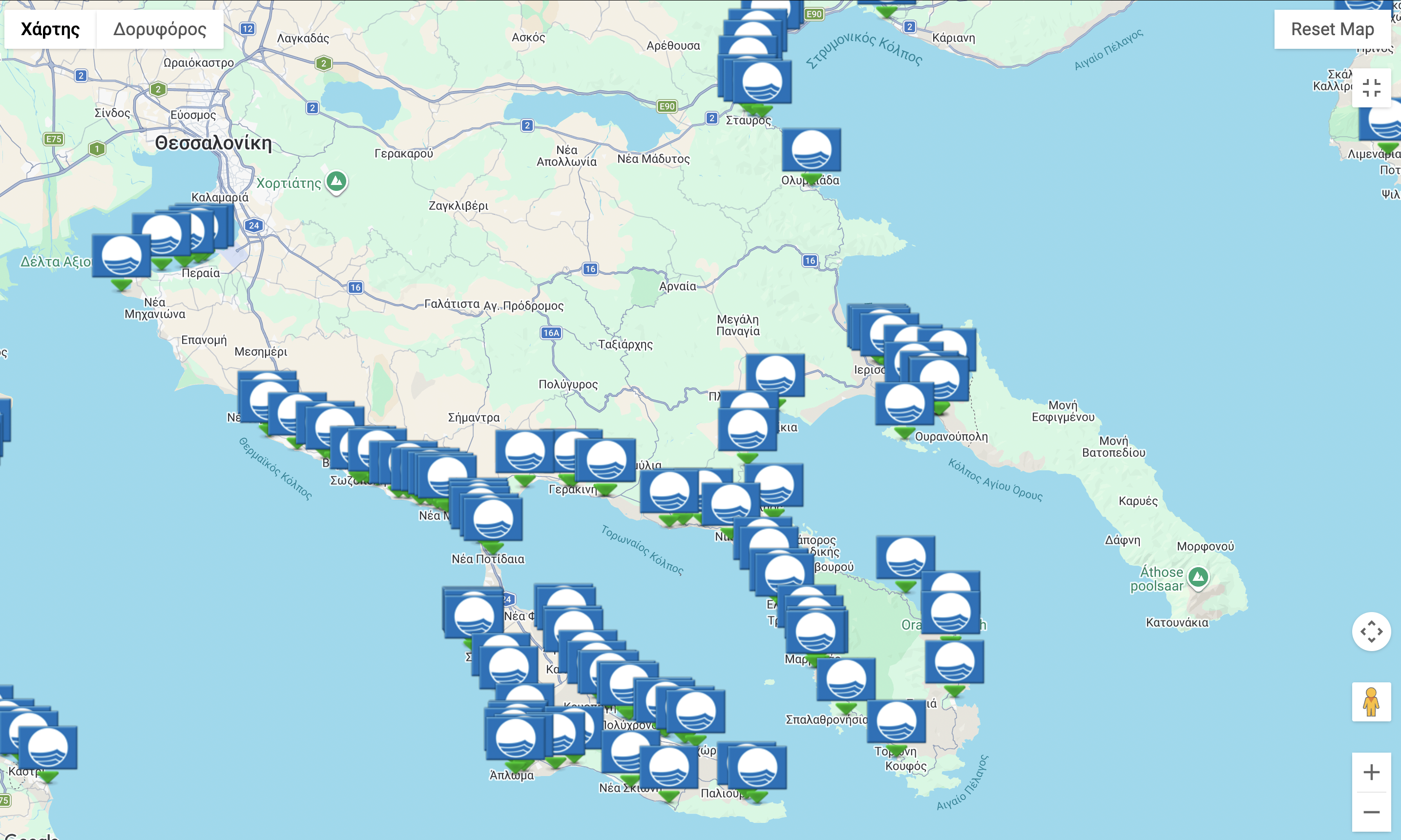
These two go hand in hand. Halkidiki is the first county in Greece in the number of Blue flags, with 93 flags in beaches. Let’s have a look:
If Greece is known for something, this is the crystal clear waters, white sands and wonderful beaches. With 624 awarded beaches, Greece has for another year the second position worldwide (51 countries), with increasing trends in awards year by year. 14% of the total awarded beaches are in Greece!
A huge BUT…
Do I, a visitor of all these awarded beaches of Halkidiki notice the fulfilled criteria?
Are there indeed adequate rubbish bins and frequent cleanups? Or even information about the water quality? There has been no displaying of microbiological tests, if any done. But even if they were, there is usually no board for display in the area.
Let’s not get started about the conservation criteria. From my personal experience in the region, I found that we still don’t understand the complexity of the coastal ecosystem and the damage we cause with our actions. In my dissertation project for my bachelor’s degree, I interviewed beach managers and beach bar owners of Kassandra peninsula about coastal management. All of which thought the beach ecosystem doesn’t exist. It’s “just sand and water”.
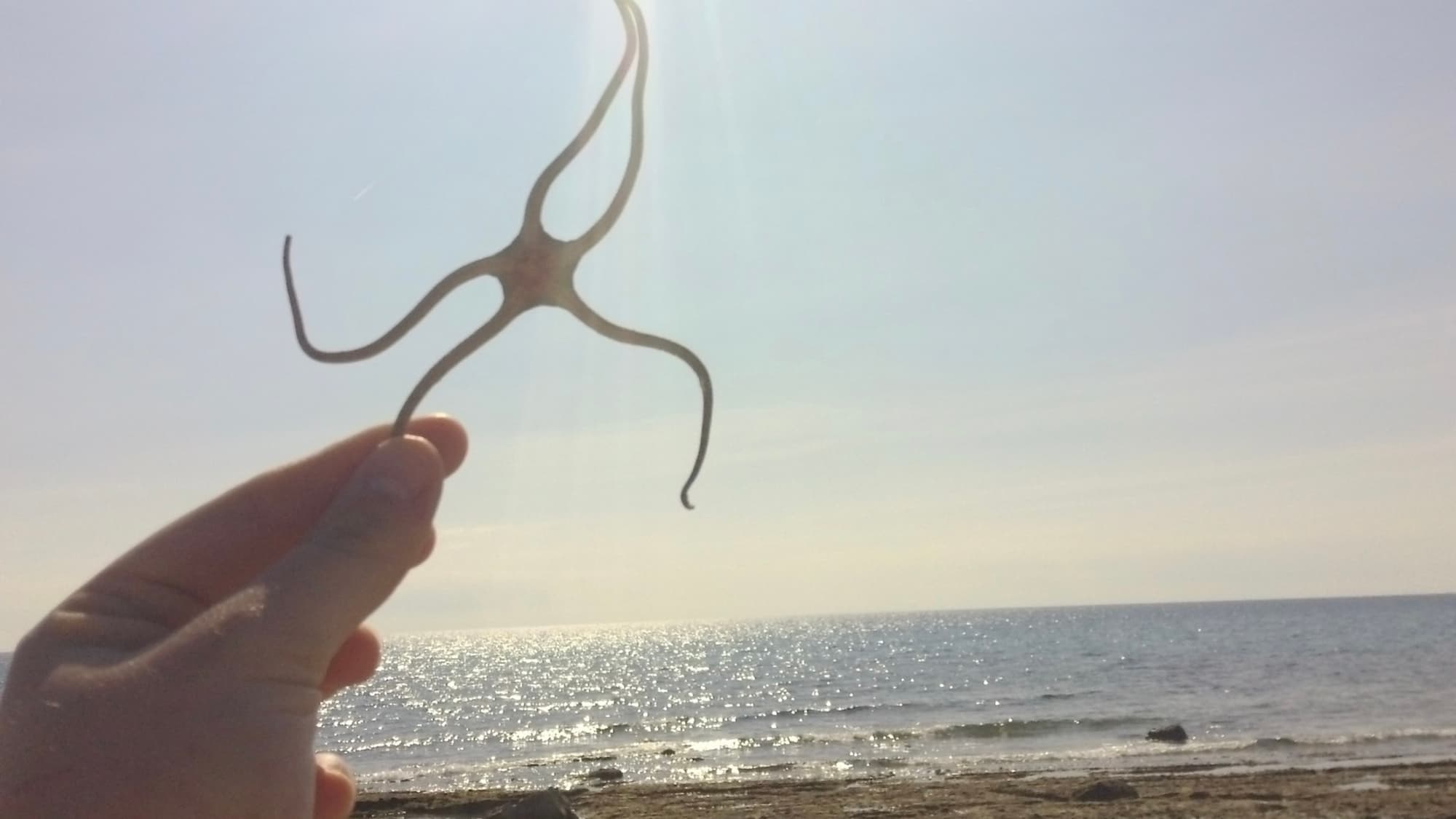
This is not true! Coastal ecosystems are super complex, unique, and fragile ecosystems []. So many small organisms such as invertebrates and salt-resistant plants are living there, and even more are finding food in these locations.
The sea itself might be fully clear, transparent, and microbiologically healthy, but the micro-ecosystem there remains less known, and definitely deserves more attention and respect.
I’m not questioning the labelling of the beaches of Halkidiki in terms of water quality. It’s more than excellent! What I am questioning is the efforts to raise awareness about the ecosystem itself, the way of behaving and acting, and the importance to protect and conserve this ecosystem that is much more than “sand and water”.