Culture


Sunrise Yoga
Begin the day with breath and sea air
- Duration
- 1.5 hours
- Group size
- 2–12
25€/ guest
Three peninsulas, pine forests that run down to the sea, and a slower, quieter way of belonging to a place.
The place
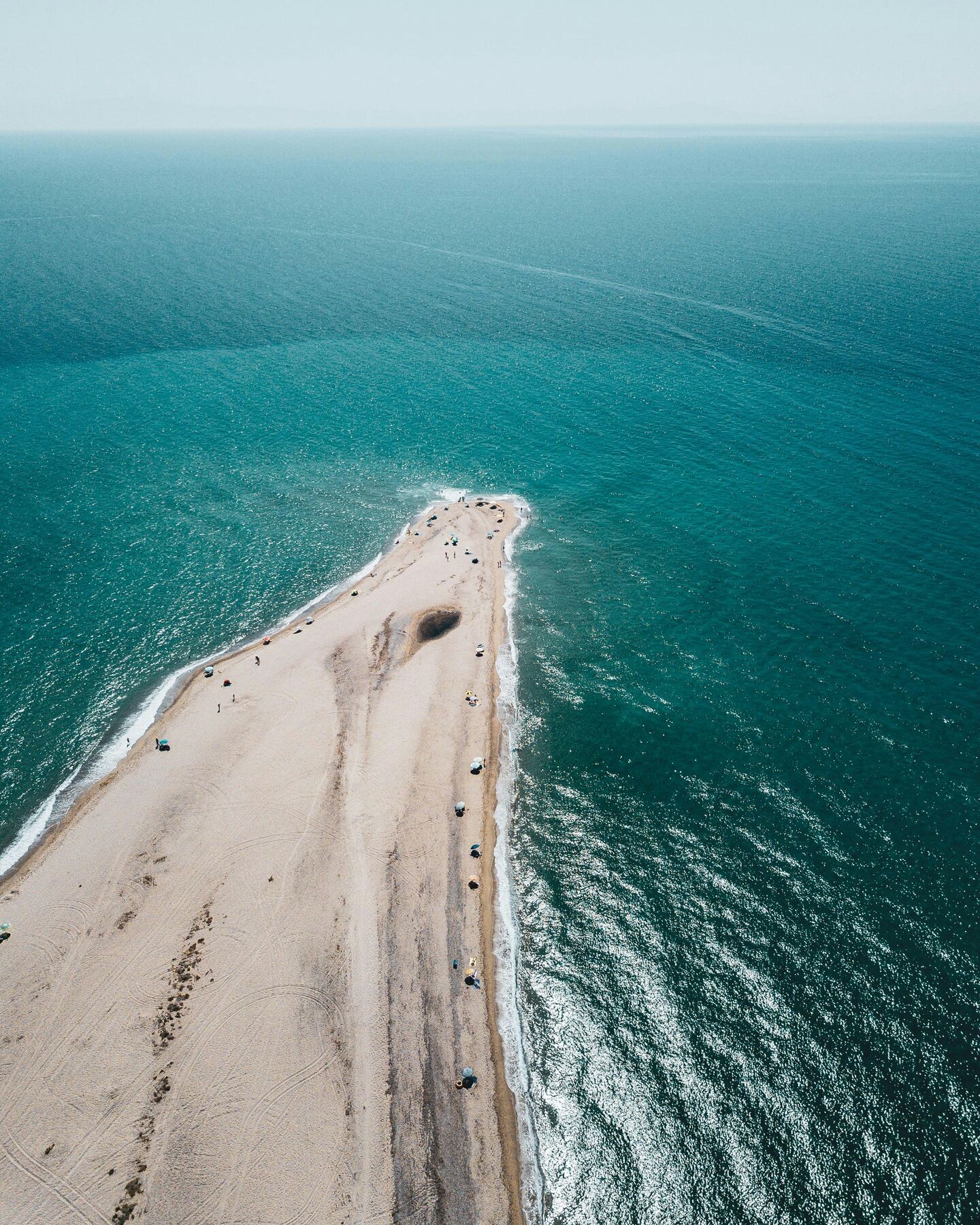
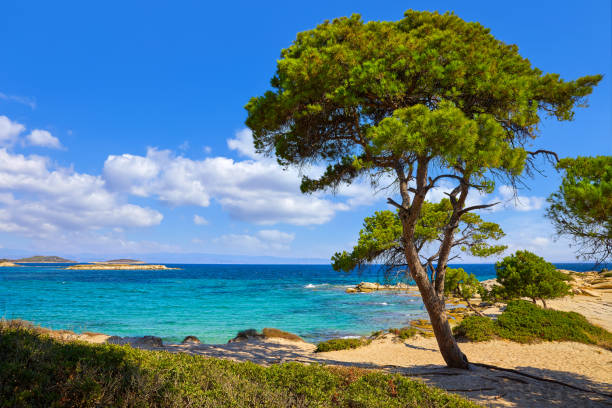
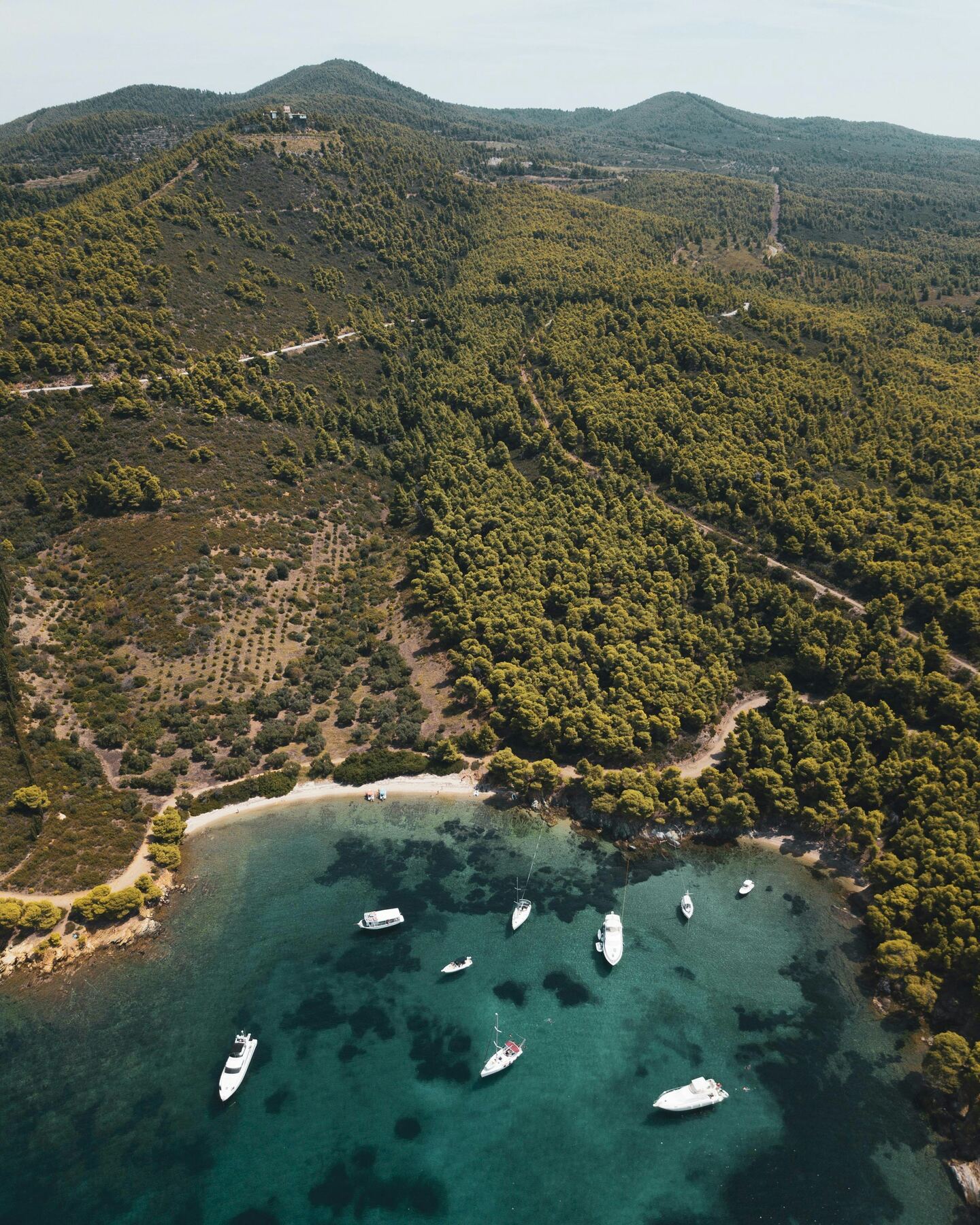
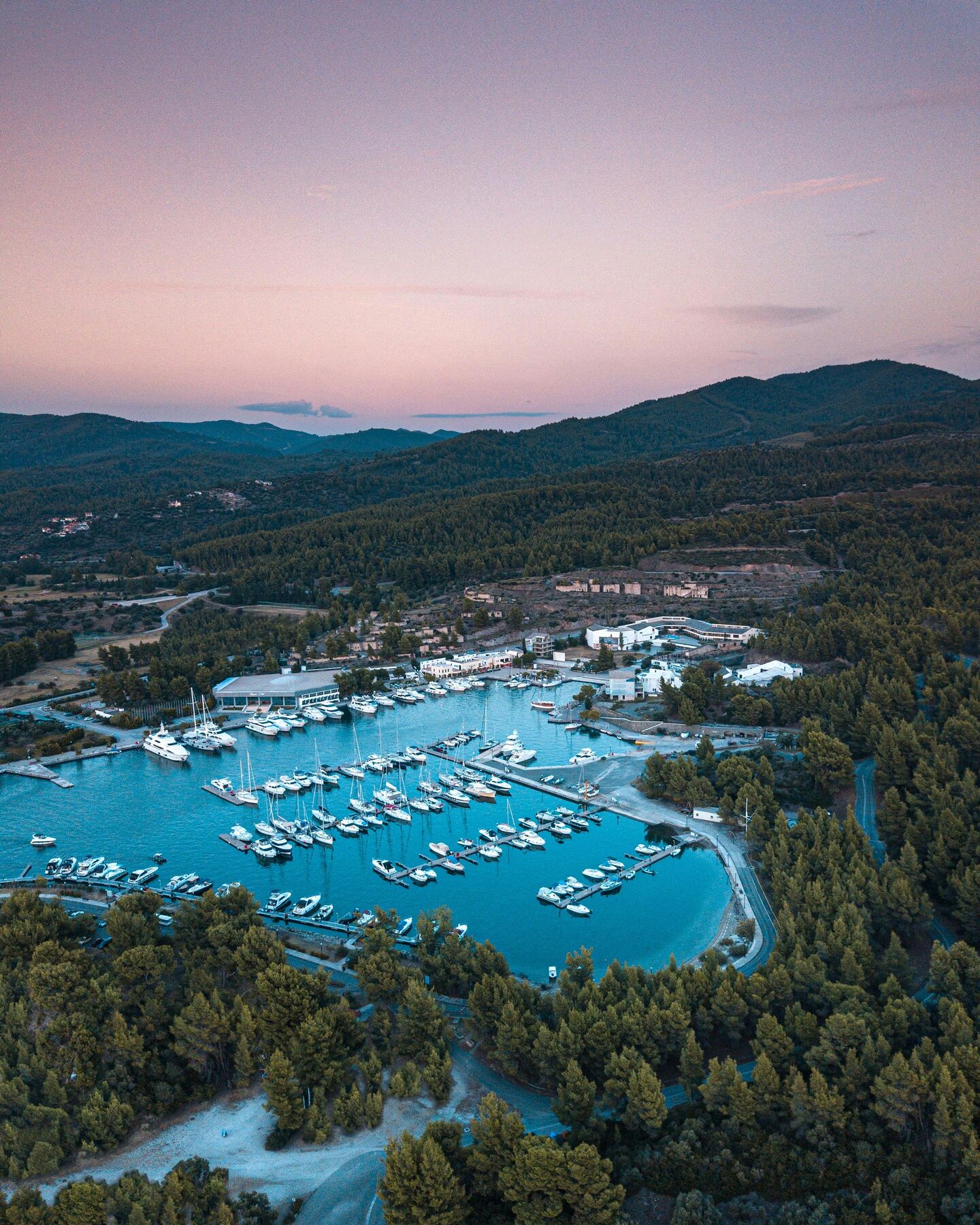
Halkidiki is located in northern Greece, on the southeastern edge of Central Macedonia. It is one of the country's most recognizable tourist destinations. Its three peninsulas — Kassandra, Sithonia and Mount Athos — form a landscape of unique geographical and ecological diversity: pine forests stretching all the way to the sea, mountain ranges, wetlands, small villages, traditional settlements and hundreds of kilometers of coastline.
Every year, Halkidiki welcomes hundreds of thousands of visitors from Greece, the Balkans and all over Europe, making it one of the most important pillars of Greek tourism. During the summer season alone, the number of visitors exceeds one million and tourism accounts for nearly 40% of the local economy.
And perhaps today, more than ever, there is a need to view Halkidiki not only as a tourist destination, but as a place worth getting to know, respecting and protecting.
For most people, Halkidiki means summer vacation: crowded beaches, beach bars, hurried trips from one place to another, and fleeting images. For us, however, Halkidiki is so much more.
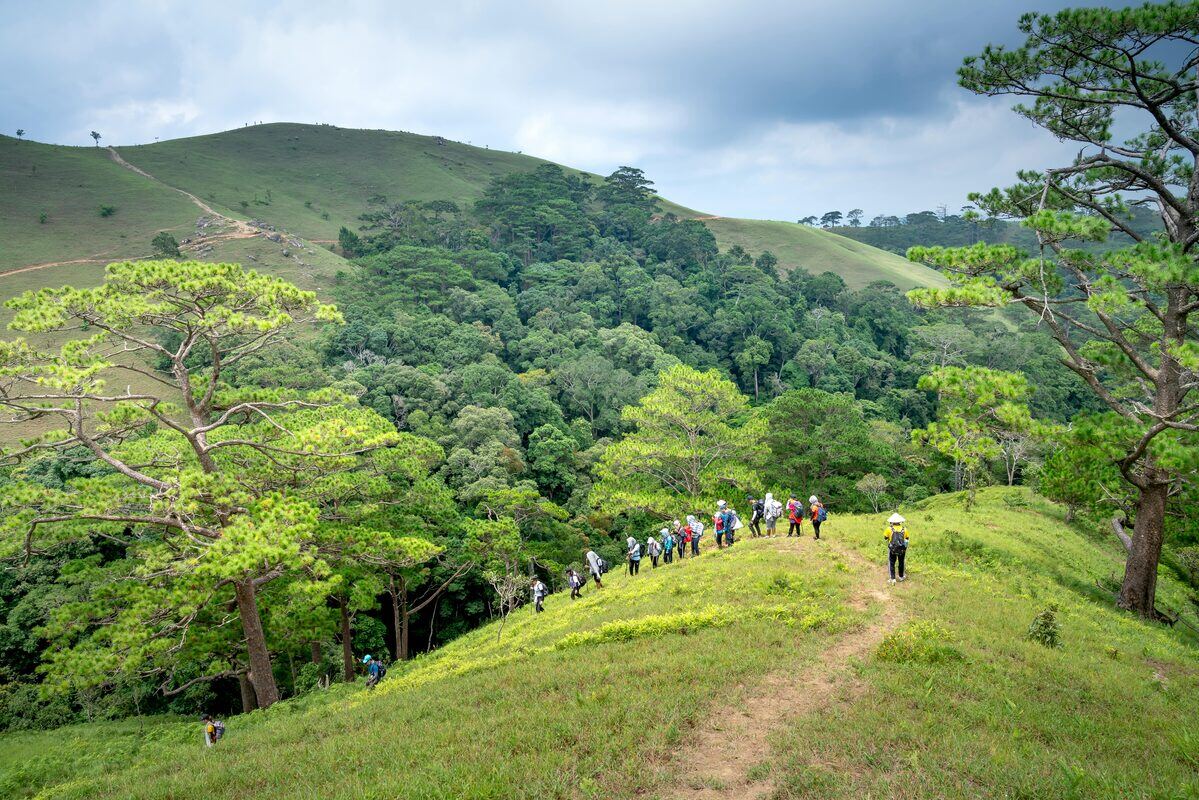
It's the forests that change their scent after the rain. The people who cultivate the land and continue to pass down knowledge from generation to generation. The small villages that rediscover their rhythm in winter. The stories, the stones, the trails, the nights under a sky full of stars.
The forests that change their scent after the rain.
We grew up here and love this place deeply. And perhaps that is exactly why we felt the need to imagine a different way to share it — not through a form of tourism that exploits the environment and turns every corner into a commodity, but through experiences that create connections: with nature, with local culture, with knowledge, and with people.
Hospitality
We believe in a slower, more mindful way of traveling — a form of tourism that doesn't come to “consume” a place, but to get to know it. And perhaps, in the end, that is what hospitality, or filoxenia as we Greeks call it, really is: sharing a place without betraying it.
Being a friend to a stranger.
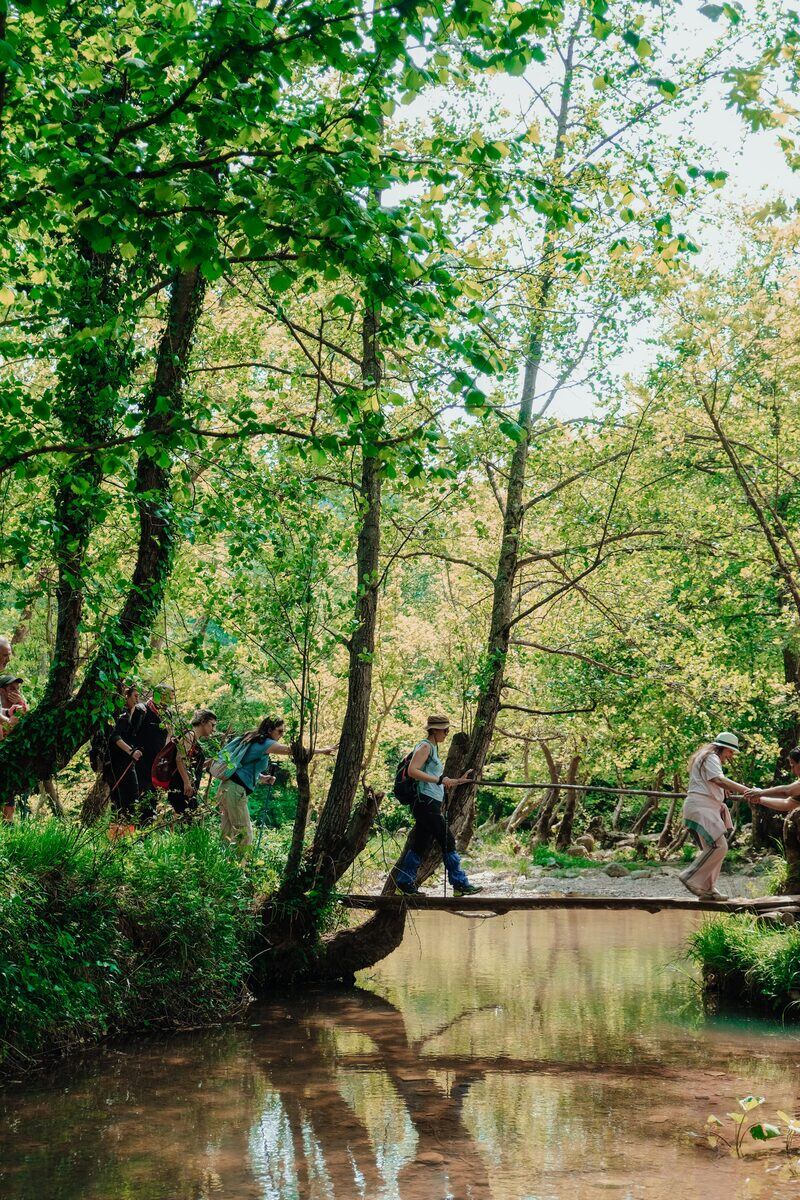
Philoxenia (or filoxenia) is the practice of welcoming strangers. Literally, it means being 'a friend to a stranger'.
The Aegean edge
Where pine meets clear water
Off season
In winter, Halkidiki takes on a whole new look. After the hustle and bustle of summer, calm sets in, and with it comes a sense of relief. The streets empty out, nature quiets down, and people return to a more human and manageable pace. But life here never really stops.
Schools reopen; residents continue to work, cultivate, repair, organize, paint and prepare for the new season. For a little while, the place takes a deep breath — and then, starting around January, everything begins all over again.
Hospitality here isn't just a service. It's part of people's daily lives and their identity. Some might say it's out of necessity. Others might say we're lucky for it. We would say it's the desire to welcome someone with openness, without getting lost in exhaustion and excess.
In winter, one can get to know Halkidiki more deeply: through the villages, the workshops, the wineries, the nature trails, the small communities and the stories of the people who live here year-round. It is a different Halkidiki — quieter, more tender, more authentic.
Quieter, more tender, more authentic.
In season now
Early mornings and long evenings, before and after the heat. Three of the experiences running right now.
Begin the day with breath and sea air
25€/ guest

From green bean to the cup, the Greek way
35€/ guest
The liquid gold of Halkidiki
35€/ guest
Can't decide?